Excerpts from Never Only
Min and Plastics
 Min sat on the roof of Therapists’ house with a backpack full of questions. She shared two of her oranges with a blue jay who insisted on carrying each piece away to a hideout further down the street. Evidence of their lunch was nowhere to be found when Therapist returned to the office. She heard the door shut behind him, then jumped from the roof to kitchen steps and followed him into the office. read more…
Min and Coffee
Min stood at Lauretha’s desk, unwilling to postpone a day of the Evaluation because her Assistant and his partner were fighting.
“Where might I observe humans in their daily routines?”
“Observe?” Lauretha put a mug in the warming box while she spoke. “Well, if you want to meet people, I could take you to lunch.” read more…
Dr. Smith meets a Unicorn
After seeing Mrs. Halsey to the door, Smith made a few calls to check on news of Min. No desperate family members at the station. No name or mugshot he could research for clues.
She wasn’t malnourished. Her teeth were almost too white. She even smelled good, dammit. Lauretha walked into the office with Min at her heels and a second round of hot tea, so he pushed unanswered questions into a desk drawer with his journal. read more…
“Good afternoon. Your shopping trip was successful?”
“Yes.” His tone made her feel less than welcome.
She pointed at her t-shirt, the one piece of clothing she’d picked herself. It was sunrise blue, made from soft cotton, with the letters “ZOMBE” above a jagged, melting glacier. Below the picture were the words “Zoned Out Member of a Broken Ecosystem” stenciled in dripping black letters.
Therapist’s face turned less grumpy.
“Was Lauretha with you when you bought it?”
“I chose it myself.”
She didn’t have to bargain. The clerk gave her a store discount because she was a first-time shopper.
“Well done.”
“I have questions.” Min pulled the plastic bag from her pocket and offered it for a closer look. “What is this made of?”
He looked inside as if something should be there.
“What do you mean?”
“It’s not wood pulp or paper. It’s not animal hide, nor is it made of cotton or grass, so what is it made of?”
“Plastic. It’s a plastic bag.”
She produced the clear wrapping from a second pocket. “And this?”
“Plastic. Just a different kind.” Therapist handed back the bags. “You’ve never seen plastic before?”
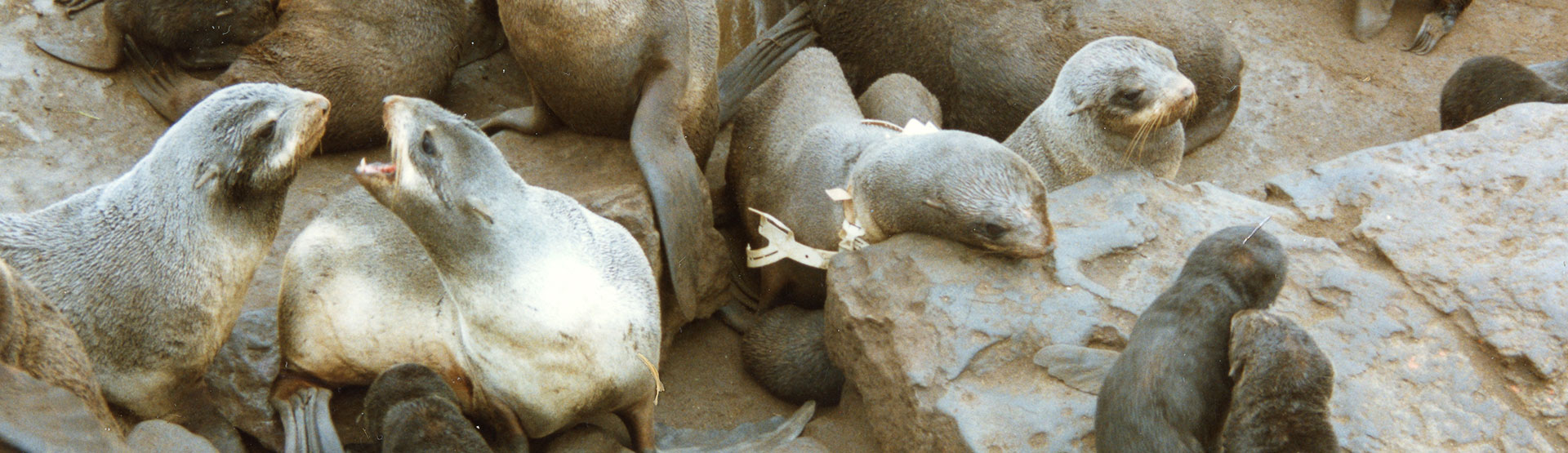
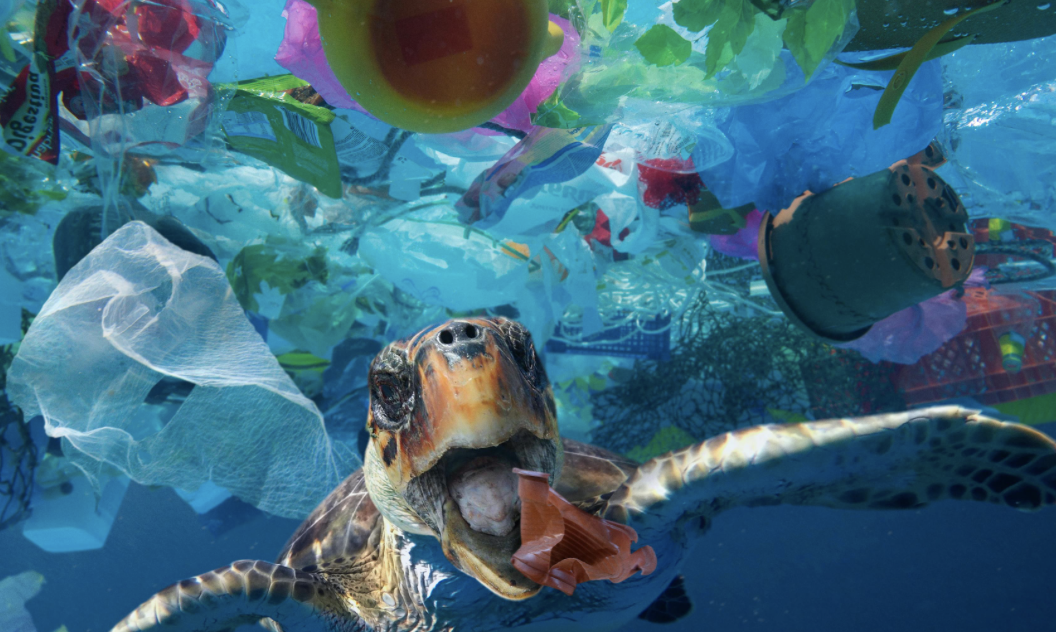
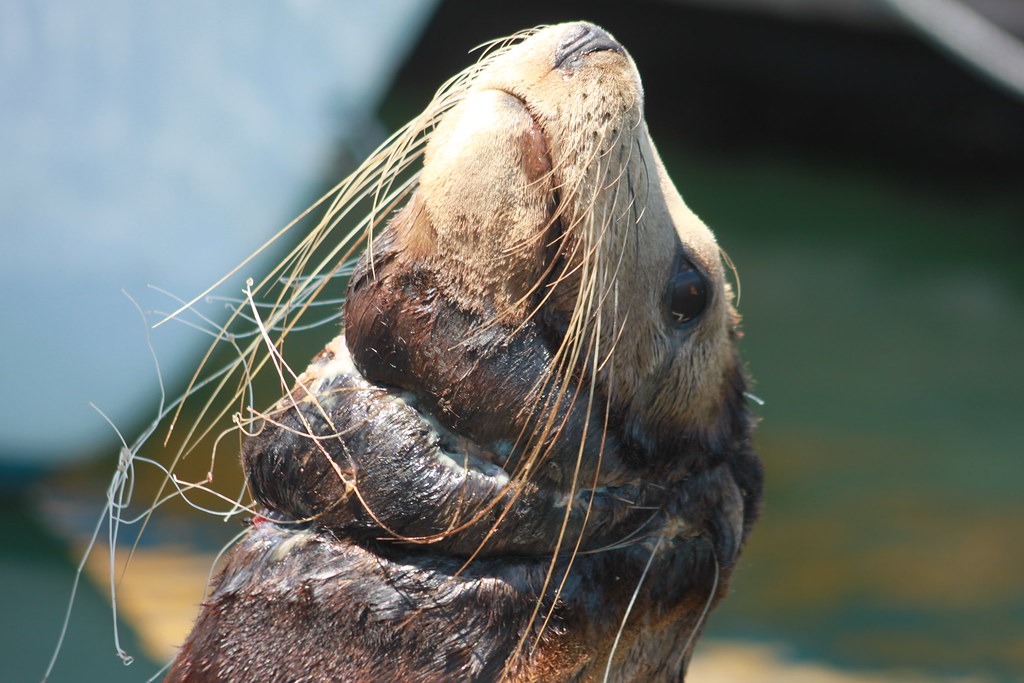
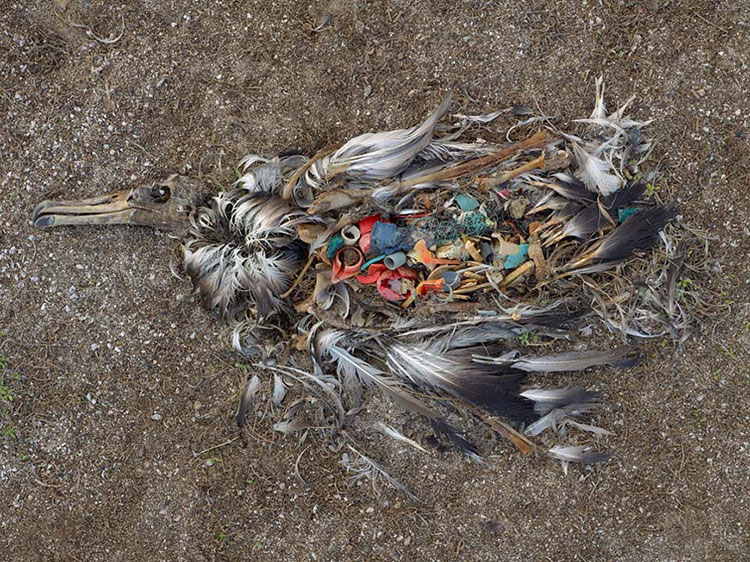
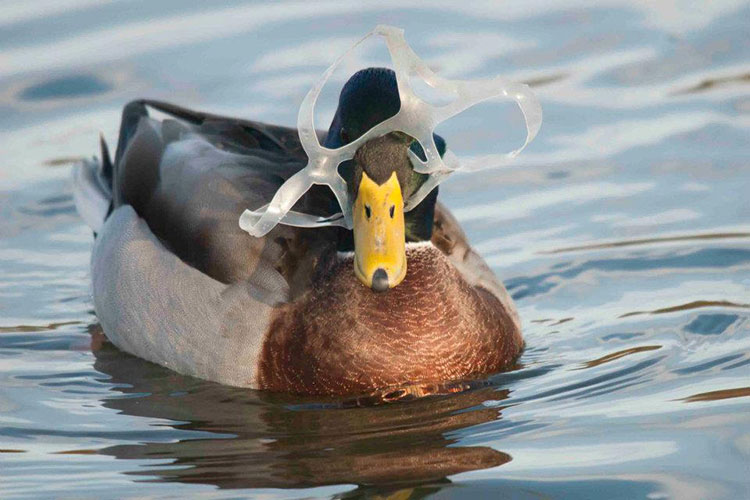
She had seen it…attached to an exhausted sea turtle trying to navigate with a clear-sided bottle wedged between flipper and shell. She’d seen it around the neck of a fur seal, so tight the young male could only swim at the surface; in a fellow seagull starving from a stomach so packed with bits of plastic that no food could get in; as a barnacle marooned on a floating island of plastic and gillnets. Most recently, she had ingested it herself. Small pieces of plastic rained down, permanently lodging in the crevasses of her inner clam flesh and outer shell.
A churning frustration made her voice louder than intended. “What is it made from? What eats plastic? How do you destroy it?”
“They are made from chemicals, but I don’t know the exact names.”
“I don’t know isn’t good enough! This is the first leg of my Evaluation, Therapist. How do we find out?”
“I would like to go now, but I will be back so you can buy me lunch,” Min said.
If Therapist were unable to continue his duties, Lauretha would make a fine assistant. She was an excellent recordkeeper. Both scribe and counsel on topics inside and outside the office. Lauretha’s status must be at least on par with a doctor.
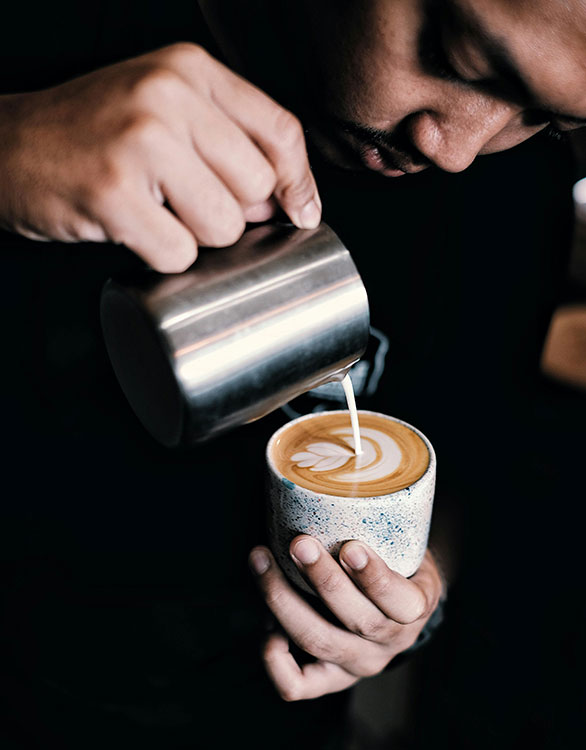
“Why don’t you get some coffee? Expensive habit,” Lauretha said. “Doesn’t stop anyone from drinking it though. I meet my friends at Early Bird every Saturday.”
Though Min much preferred wine, coffee had been more reliable than drinking water and more available when she was a Portuguese sailor.
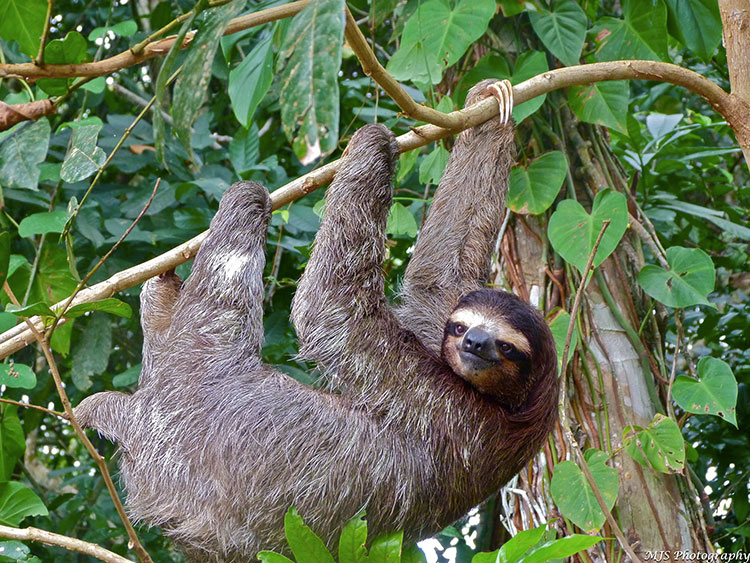
She’d sampled caffeine notes as both bee and butterfly. Stuffed herself with ripe fruit in the form of a fuzzy, wide-eyed mammal humans called bush baby. More than a hundred forms, animals plants and insects, made coffee possible. All joined to form one giant branching organism, each with its own critical role. But sloth was the most memorable.
Shaggy, insect-laden tree dwelling sloth; flowing forward from its perch, down to touch earth, infinitesimally faster than sap flowing inside the branch it would hang from that evening. Sloth was a microcosm, a logo for life on Earth. Besides tortoise, sloth was closest to understanding the true meaning of time.
Humans, and Min, had gleaned most of their addictive plant knowledge through time spent with animals that already enjoyed them. Fermented berries. Poppies. Mushrooms. And coffee. Her favorite was late-season fruit. She rubbed a hand over the elbow, then a wing, broken on a stout window after stuffing her grouse gizzard with overripe apples.
“I haven’t had a cup of coffee in more than five hundred years.” Min gripped the edge of Lauretha’s desk and bounced on her toes. “Where is this meeting spot?”
“Funny, dear. Do you have money?”
Min reclaimed the fidget chair, sitting sideways, back braced against one armrest, feet digging into the other.
He pushed a glossy blue mug with white letters, “Mindfull,” to her side of the desk. “Min, how did you make the animal shadows appear in my office? I’ve never seen anything like it.”
A wiggle of doubt danced around his self-confidence. Part of him didn’t want to know, not yet anyway. That part very much enjoyed the discovery Min represented. It was exciting, unexpected, something without a plan or approach.
She stretched out a slender arm to retrieve the tea, tried a sip, then drank deeper. “It will be more useful if I provide background to aid your understanding of the Evaluation.”
“Ok, we’ll come back to the shadows.”
“Over the last five hundred seventy-six years I’ve lived in different forms than you see me now.” She inhaled the spicy steam, then set the cup in her lap.
“What do you mean by different forms?” he asked.
“Lifeforms. Humans call them species.” Hence, the lizard she’d mentioned earlier. “Do you always circle back to human form?”
“I return to every lifeform still present after I’ve gone through all the others. There are millions, you know. Billions if you count insects and the short-lived.”
“You know about the lizard already. Before that, I lived as a giant clam. Before that I was a man o’war, that’s a kind of jellyfish. Dolphin, sunfish, giant squid, and blue whale.”
Each species resulted in a finger curled into her fist, extended again when she ran out of fingers.
“Zooplankton, though maybe they wouldn’t be counted by a human because they don’t live that long…”
Min seemed to have forgotten he was in the room.
“…three types of crab, a birdwing butterfly, twelve different forms of seabird, and a baobab tree.”
“I see.”
Smith liked watching the History Channel, but he’d never paid attention in history class. It was the difference between choosing your favorite apple at the grocery store versus having one set on your plate because lunch had to meet nutritional value for the day. His plan had been to learn about her background, but the list she provided had more to do with alternate realities than her identity.
“What about family?”
“I am a singular being, Therapist, but I consider all lifeforms family.”
“Singular? Does that mean you live on your own?”
“Sometimes.” Min swung her feet to the floor and faced him squarely. “We are wasting time, Therapist. I need to know what humans have done and why, since I was last human. You don’t know how hard it is to sit beneath sixty feet of water for one hundred years while so many lifeforms sicken and die around you.”
What could he possibly say to that? “We’re not that bad” or maybe “You look very young for your age.”
Shake it off Dr. Smith. Her story isn’t real. But his stomach said otherwise. What the hell? Could she hypnotize people? Maybe a different venue would help. He carefully returned the pencil to a small box half-filled with others that needed to be sharpened. “Are you hungry?”
© 2026 Laurie Fairchild All Rights Reserved
email: fairchildlaurie1@gmail.com